
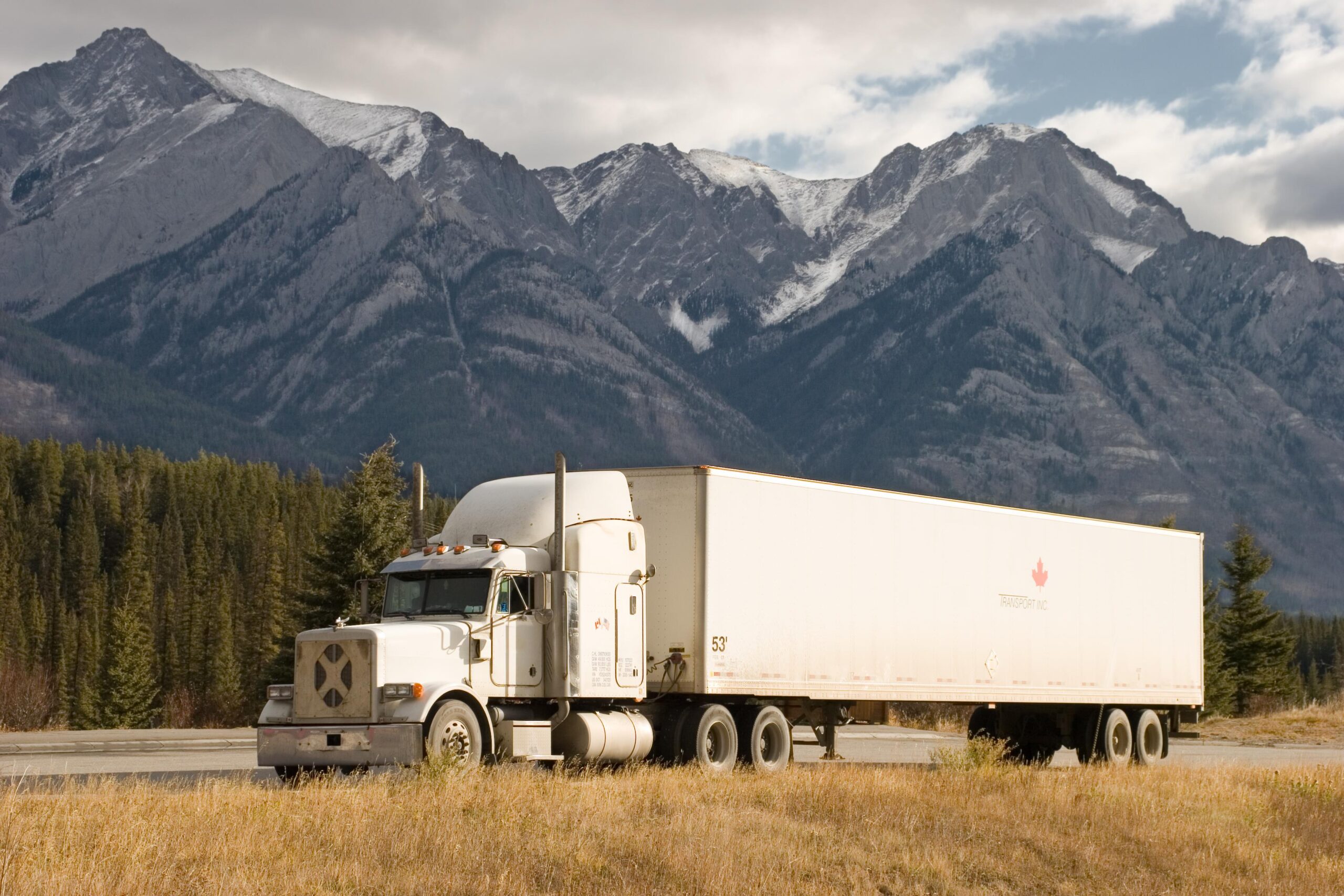
Truck drivers often cover thousands of miles through all kinds of terrain, from flat coastal highways to steep mountain passes. While road conditions and traffic patterns are obvious factors affecting driver safety, one less visible risk deserves attention: elevation changes and their effects on the body.
Whether you’re hauling freight through the mountains or climbing into high desert territory, understanding how altitude affects the human body can help prevent fatigue, discomfort, and even serious health risks on the road.
What Happens to the Body at Higher Altitudes?
As elevation increases, the air gets thinner, meaning there is less oxygen available. Even moderate elevations can start to cause noticeable symptoms in some people. The higher you go, the more your body must adapt
Here are a few common effects drivers may experience:
- Fatigue: With less oxygen, the brain and muscles don’t function at full capacity, which can lead to slower reflexes.
- Headaches or Dizziness: Often caused by reduced oxygen or sinus pressure from changing altitudes.
- Shortness of Breath: Especially during physical activity such as pre-trip inspections or loading/unloading.
- Dehydration: Dry air at higher altitudes increases fluid loss through breathing. Tip: Keep water accessible and drink regularly, even if you don’t feel thirsty.
- Altitude Sickness: At extreme elevations symptoms can include nausea, confusion, and trouble sleeping.
To maintain alertness and stay healthy on high-altitude routes:
- Stay Hydrated: Dry air increases water loss. Regular hydration can help prevent fatigue and headaches. Sodium and potassium filled snacks can provide electrolytes to help your body maintain fluid.
- Eat Light and Nutritious Foods: Heavy meals can worsen symptoms.
- Rest When Needed: Don’t push through fatigue.
- Know Your Route: Prepare for change when entering higher elevation.
- Prioritize Sleep: Recovery is harder at elevation. Sleeping at high altitudes, such as in mountainous rest areas, may lead to poor sleep quality, which may affect alertness the next day.
Your health directly impacts your safety and performance. Elevation changes might sneak up on you, especially if you’re crossing different states or mountain ranges. Be aware of how your body feels and make smart choices. A healthy, alert driver is a safe driver.
View this article as a pdf.
Visit our Safety Talks page for more great resources like this!
Need more information? Check out the following RPM Trucking Industry Safety courses:
Safety for Supervisors – The objective of this course is to ensure supervisors are provided with information, tools and resources to effectively perform their safety and health roles and responsibilities.
Hazard Identification & Risk Control – Recognizing what could injure workers on the job is the first step to ensuring that they stay safe. A proactive approach to the mitigation of workplace hazards greatly increases the chance of less severe and lower rates of injury. This course will provide students with the practical knowledge necessary to identify, assess and control the hazardous elements of their workplace so they can do their part in preventing dangerous incidents.