
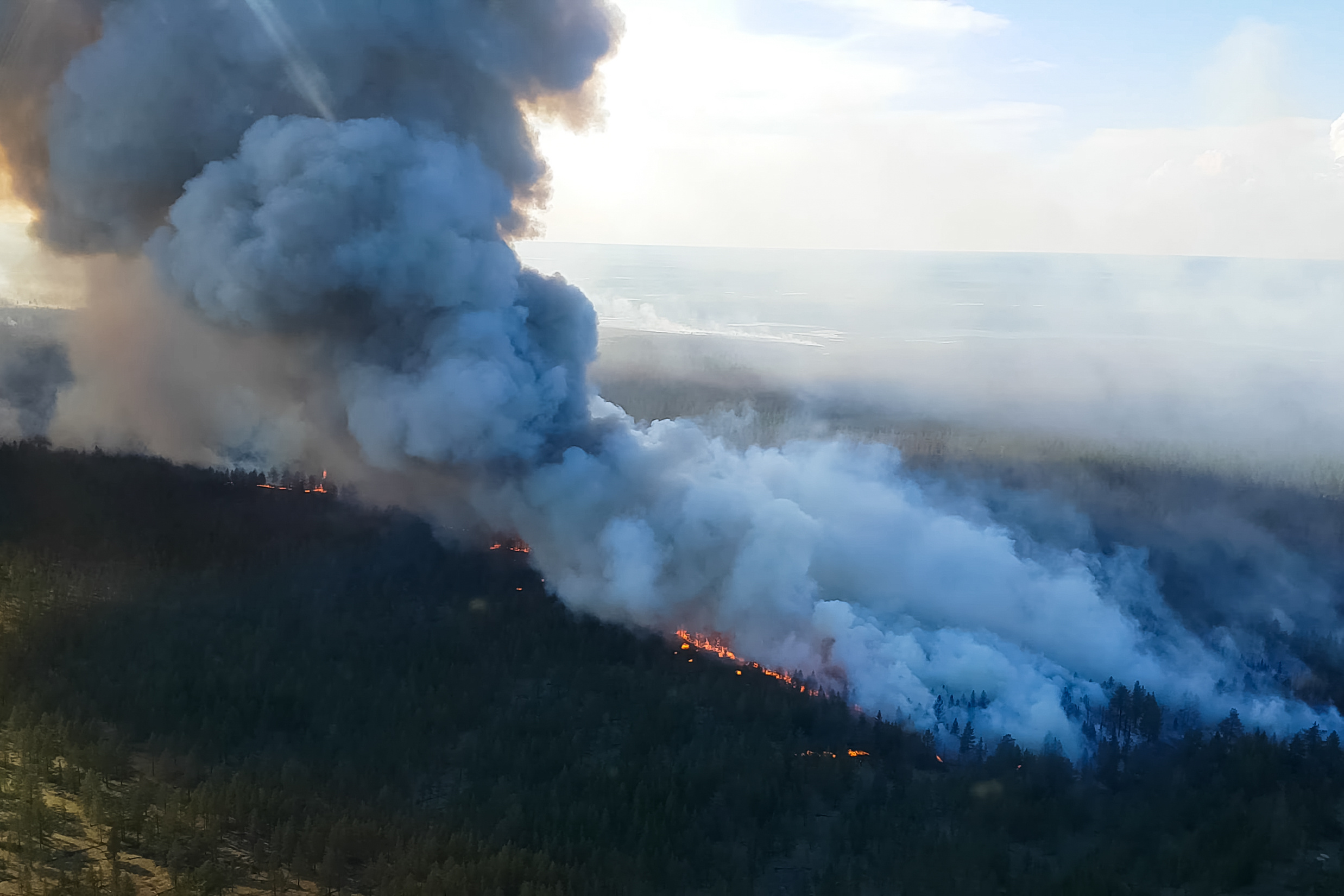
Wildfires are a natural part of the ecosystem, but when uncontrolled they can become dangerous to an individual’s health and safety. From April to October, many regions of Canada are subject to wildfires. They are typically started by lightning strikes or by human activity. As our climate continues to see an increase in temperatures and significant periods of drought-like conditions, the risk to worker health and safety will continue to increase as well.
Fire and Smoke Hazards
Burns: Direct contact with fire causing thermal burns or death.
Becoming Trapped or Isolated by Fire: Getting trapped by wildfires can occur due to various reasons, such as:
- fast-moving fire fronts;
- blocked evacuation routes; and
- late evacuation notices.
Decreased Visibility: Smoke can impact the distance a person can see, creating additional hazards while driving or working around equipment.
Heat Related Illnesses: Heat stroke is the most serious heat-related illness. It occurs when the body can no longer control its temperature (body temperature rises rapidly and cannot sweat). Heat exhaustion is the body’s response to an excessive loss of water and salt, usually through excessive sweating.
Respiratory Irritation & Inflammation: Smoke contains particles and gases that may be harmful to workers. It could cause: shortness of breath, persistent coughing, wheezing, chest tightness, and increased mucous production; irritation of the eyes, nose, and throat; headaches; worsening of allergies; and aggravation of pre-existing respiratory and cardiovascular diseases.
How do you protect yourself and other workers?
Reduce physical exertion while exposed to smoke (physical exertion increases air intake): Any worker who has difficulty breathing should reduce or stop their activities and notify their supervisor. It may become necessary to temporarily relocate the worker to an area with cleaner air or reschedule the work when the air quality improves. Provide or call for medical assistance when workers have severe symptoms.
Include wildfires as a factor in the emergency response plans: Stay informed:
- Monitor weather, listen to local authorities and prepare to evacuate.
- Evacuate as directed by local authorities, and bring your emergency kit.
- Keep your vehicles fueled.
Minimize exposure to wildfire and smoke:
- Monitor the Air Quality Health Index and other indicators of smoke levels.
- If able, stay indoors! Inspect and maintain ventilation systems and air filters.
- Reroute trucks to avoid areas of wildfire and severe smoke.
- Use respiratory protection (respirators) as needed.
- Stay hydrated and reduce inflammation by drinking water.
Follow protocols/procedures for low visibility conditions: Turn on your lights. Wear high visibility clothing. As a pedestrian, avoid traffic areas (stay out of the line of fire).Prevention
How to prevent wildfires:
- Never build a campfire in dry, windy conditions or if there is a fire ban in the area.
- Never drop sources of ignition (such as lit cigarettes or cigars) out a car window or into the forest.
- Be aware of fire ratings, if a fire is allowed, active fires in the region, and public notices about the fire’s location or smoke events.
Manitoba Wildfire Service
To Report a Wildfire 1-800-782-0076 (toll-free)
Natural Resources Canada – Wildland Fire Map
Canadian Wildland Fire Information System | Interactive map
Need more information or training? RPM can help!
Hazard Identification & Risk Control
Recognizing what could injure workers on the job is the first step to ensuring that they stay safe. This course will provide students with the practical knowledge necessary to identify, assess and control the hazardous elements of their workplace so they can do their part in preventing dangerous incidents.
Incident Reporting and Investigations
A workplace must have a process to report workplace related injuries, illnesses and dangerous occurrences. Upon receipt of these reports, a process must also be in place to ensure investigations are completed to prevent re-occurrence.
Emergency 1st Aid: CPR: Level C & AED
This first-aid and cardiopulmonary resuscitation (CPR) course provides the skills needed to recognize and respond to cardiovascular emergencies and choking for Adults, Children and Infants. This course, is provided by RPM Safety and is suitable for workplace requirements.
View this article as a pdf.
Visit our Safety Talks page for more great resources like this!